


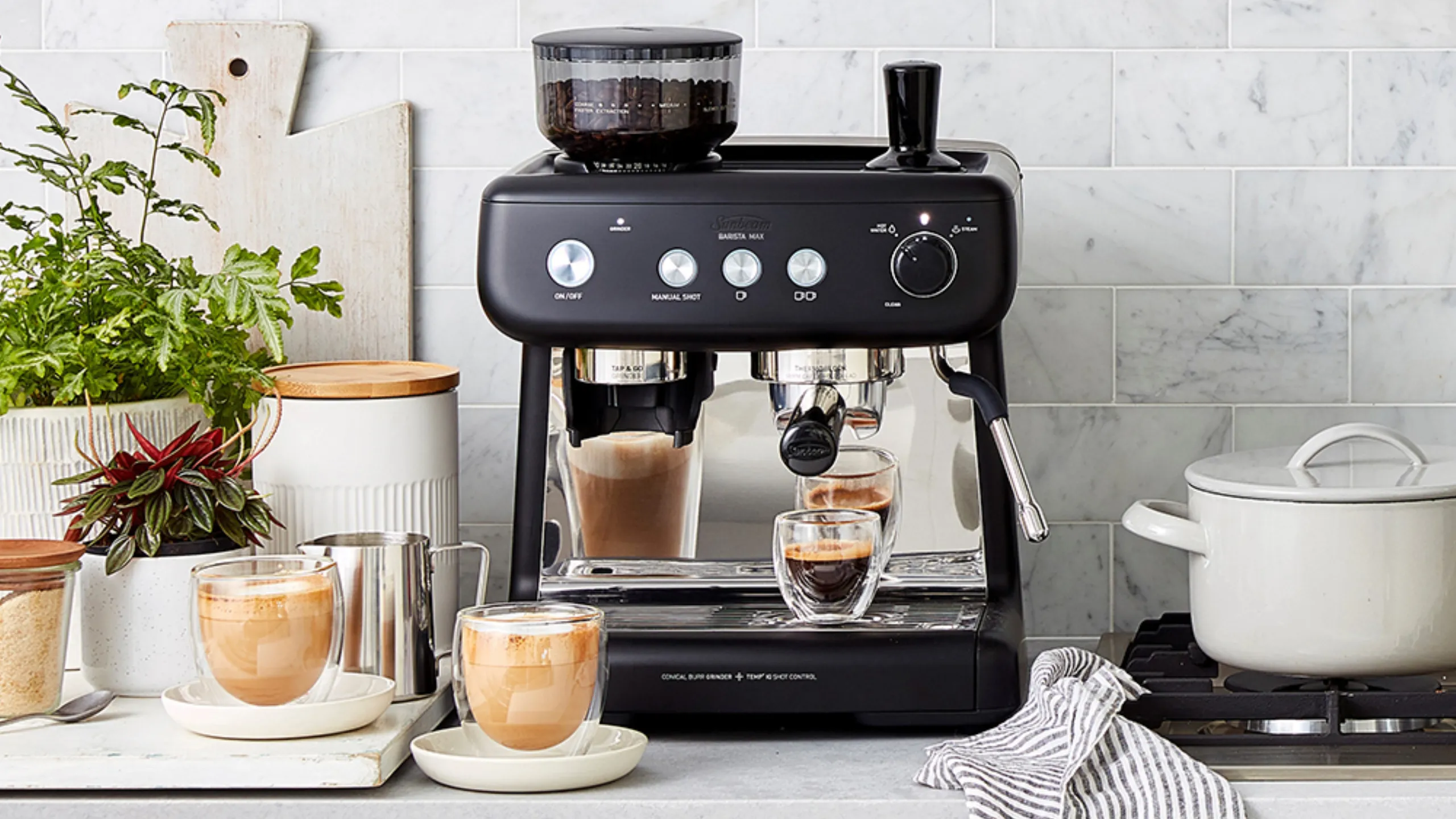
Your morning coffee should taste like a fresh café pour—not a stale, bitter disappointment. Yet 1 in 3 households never clean their coffee makers, allowing mold and mineral buildup to breed, ruin flavor, and shorten machine life.
This guide is your complete reset. Follow it to extend your coffee maker’s lifespan by 3-5 years, restore bold, clean flavor, and avoid 100+ repair bills.
In the next 7 minutes, you’ll get a 30-second cleaning schedule finder, step-by-step methods for every machine type, and 2026 smart-maintenance updates.
Before You Start – Supplies & Safety
Don’t halt halfway through because you’re missing vinegar. Gather these first:
- Essential supplies: White distilled vinegar, baking soda, commercial descaler (e.g., Affresh, Dezcal), mild dish soap, a soft bottle brush, and a microfiber cloth.
- Water type matters: Use filtered tap water. Distilled water lacks minerals that some machines need to detect water levels, and can damage heating elements over time.
- Safety first: Never submerge the base or electrical components. Unplug the machine before cleaning internal parts. Check your warranty—some brands require specific descalers to maintain coverage.
- Quick water test: Hard water (high mineral content) requires monthly descaling; soft water allows you to stretch to every 3 months. If you see white spots on glassware, you have hard water.
How Often to Clean Your Coffee Maker
Your complete maintenance calendar depends on usage and water type.
1. Daily Cleaning (After Each Use)
Leave the lid open to air-dry completely. Trapped moisture can breed mold within 24-48 hours.
Rinse the brew basket, carafe, and lid under hot water.
Wipe the showerhead (where water sprays onto the ground) and the exterior with a damp cloth.
2. Weekly Deep Clean
- Wash all removable parts with warm, soapy water. Most carafes and drip trays are dishwasher-safe—confirm in your manual.
- For Pod Coffee Makers: Straighten a paperclip, insert it into the exit needle to dislodge trapped coffee grounds. This prevents clogging and weak brews.
- Degrease the drip tray and crevices where coffee oils linger.
3. Monthly Descaling
Key distinction: Descaling = dissolving mineral buildup; cleaning = removing coffee oils and residue.
Frequency rules:
- Daily users: Descale every month.
- Light users (1-2 cups/week): Every 3-6 months.
5 warning signs that you need to descale now:
- The “clean” indicator light glows.
- Brewing takes longer than usual.
- The machine gurgles or sputters.
- White, chalky residue appears on visible parts.
- Coffee tastes metallic or bitter.
4. Quarterly Overhaul
- Disassemble all accessible components (shower screen, brew group if removable).
- Clean hidden tubes and rubber gaskets where mold hides.
- Replace charcoal water filters and inspect seals for cracks.
How to Descale a Coffee Maker – 3 Proven Methods
1. How to Descale a Coffee Maker (Overview).
Descaling is non-negotiable. Skip it, and mineral scale chokes water flow, overheats the boiler, and kills your machine. Choose your method:
Method Cost Effectiveness Best For
White Vinegar 0.50 High (with soak) Most drip & pod machines
Baking Soda 0.10 Low (not for descaling) Deodorizing only
Commercial Descaler 8-15 Highest Espresso & high-end machines
2. How to clean a coffee maker with vinegar
The gold standard for DIY descaling.
Ratio: Mix equal parts white distilled vinegar and water (1:1). For a 12-cup maker, use 6 cups of vinegar + 6 cups of water.
Step-by-step:
- Empty and rinse the carafe and filter basket.
- Fill the reservoir to the max line with the vinegar solution.
- Start a brew cycle, then pause halfway (when the carafe has 4-6 cups). Let it soak for 30-60 minutes. This loosens stubborn scale.
- Resume the cycle and let it finish.
- Discard the hot vinegar water and rinse the carafe.
- Run 2-3 full rinse cycles with fresh water only (no coffee grounds). This is crucial—any vinegar residue sours your next pot.
- Wash removable parts with soapy water to remove loosened debris.
- Pro tip: For stained carafes, swirl 2 tbsp rice + water to scrub interior stains without scratching.
3. How to clean a coffee maker with baking soda
Reality check: Baking soda deodorizes but does not effectively dissolve limescale.
- Best use: Mix 1-2 tbsp baking soda with water to scrub carafe stains and wipe down the exterior. It’s a gentle abrasive.
- Warning: Never run a baking soda solution through internal tubes. It doesn’t rinse cleanly and can cause clogs.
4. Commercial Descalers (The No-Fuss Option)
- Product spotlight: Affresh tablets (drop in reservoir) or Urnex Dezcal powder (mix with water).
- Advantages: No vinegar odor, safer for aluminum boilers, requires only one rinse cycle.
- When to choose: You own a 200+ espresso machine, live in a hard-water area, or can’t stand the vinegar smell.
How to Clean Different Types of Coffee Machines
1. How to Clean a Drip Coffee Maker
- Monthly focus: Descale the showerhead (top nozzle) and scrub the warming plate. Burnt-on coffee stains transfer heat poorly.
- Special note: Run vinegar through once, then run two complete water cycles. Three total cycles ensure zero aftertaste.
- 2026 feature: Smart models (KitchenAid, Mr. Coffee) flash auto-clean reminders on their displays—don’t ignore them.
2. How to Clean a Pod Coffee Maker (e.g., Keurig)
- Unique parts: The exit needle (pierces K-Cups) and the K-Cup chamber.
- Weekly: Empty and soap-wash the drip tray and reservoir.
- Monthly descaling: Use the same 1:1 vinegar ratio and 30-minute soak.
- Clean the needle: Power off, remove the pod holder, straighten a paperclip, and insert it into the needle to push out trapped grounds. Do this before descaling for best results.
- Quarterly: Replace the water filter cartridge in the reservoir.
3. How to Clean an Espresso Maker (Semi-Automatic)
- After every shot, lock in a blind filter (no holes) and run water for 10 seconds to backflush coffee residue from the group head. Wipe the portafilter dry.
- Daily: Purge the steam wand (release steam for 3 seconds), then brush off any coffee grounds from the group head gasket.
- Weekly: Remove the shower screen and soak it in cafiza powder (coffee detergent) to dissolve oils.
- Monthly: Descale the boiler with citric acid solution, then drain and rinse the drip tray.
4. How to Clean a Fully Automatic Espresso Machine
Your machine has auto-clean programs, but they’re not enough.
- Automated cycles: Follow brand-specific prompts (e.g., Jura asks you to press “clean”; DeLonghi has a rinsing cycle)—these clean the brew path but not the grinder.
- Manual must-dos:
- Grinder: Vacuum out old, oily grounds weekly. Rancid grounds ruin flavor.
- Brew group: If removable, rinse under hot water weekly. If not, run the automated cycle twice monthly.
- Milk system: Flush with hot water daily. Run a detergent cycle weekly using the manufacturer’s milk-cleaning solution.
- Waste bin: Empty coffee grounds daily; mold can grow within 48 hours.
- Water circuit: Replace the built-in water filter every 2-3 months to reduce scale.
- Troubleshooting: The “Brew group missing” error usually indicates it wasn’t locked in after cleaning. Weak milk foam? The milk line is clogged—run a wire brush through it.
Troubleshooting: When Cleaning Doesn’t Work
Problem Likely Cause Quick Fix
White residue remains. Tough water: Double the descaling frequency and use a stronger citric acid solution.
Coffee tastes sour or vinegary. Vinegar was not thoroughly rinsed. Run 2+ extra water-only cycles until the smell is gone.
Machine gurgling or slow flow. Water line blockage. Repeat descale with a 1-hour soak.
Pod maker won’t brew. Clogged exit needle. Paperclip needle clean first, then descale
Auto-machine displays the error code “Missed cleaning step.” Please consult the manual for a reset; often, it’s a missed detergent cycle.
Expert Hacks & Costly Mistakes to Avoid
- DO: Use filtered water to cut scale by 50%, run empty “flush” cycles after brewing, and leave the lid open to air-dry.
- DON’T: Use bleach or harsh chemicals, submerge the electrical base, or ignore rubber gaskets—mold loves dark, damp seals.
- 2026 eco-hack: Dry used coffee grounds work as a gentle abrasive to scrub carafe stains without scratching.
- Water wisdom: KitchenAid bans distilled water because it can corrode metal boilers over time. Stick to filtered tap.
Conclusion:
Cleaning your coffee maker isn’t a chore—it’s a 45-minute investment that pays off in perfect flavor and machine longevity. Remember the smell test: if you detect vinegar after rinsing, run another water cycle.
CTA: Brew your first post-clean cup and taste the difference. Share your before/after results with Coffee Maker Reset 2026.
